Understanding Document Translation for Government & Public Sector
Document translation is a critical service for the government and public sector, ensuring that all communications and documentation are accessible to diverse populations. In the UK, this is particularly important due to the multicultural nature of the society. Accurate translation is not just about converting text from one language to another; it involves understanding the legal, cultural, and contextual nuances that are essential for compliance and effective communication.
Why Compliance Matters in Document Translation
Compliance in document translation is vital for several reasons:
- Legal Requirements: Government documents often have legal implications. Incorrect translations can lead to misunderstandings, legal disputes, or non-compliance with regulations.
- Public Trust: Accurate translations foster trust between government entities and the public, ensuring that all citizens receive the same information regardless of language.
- Data Protection: Compliance with data protection laws, such as the GDPR, is crucial when handling sensitive information during the translation process.
Key Components of a Compliance Checklist for Document Translation
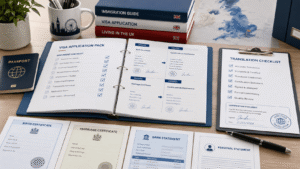
To ensure compliance in document translation for the government and public sector, consider the following checklist:
1. Identify the Type of Document
Different types of documents may require different translation approaches:
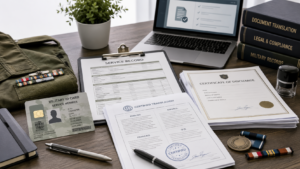
- Legal Documents: Contracts, court documents, and legislation require certified translation to ensure accuracy and legal validity.
- Technical Documents: Manuals and specifications need translators with expertise in the relevant field.
- Public Information: Brochures and announcements should be translated in a way that is clear and accessible to the general public.
2. Choose Certified Translators
For government and public sector translations, it is essential to work with certified translators. These professionals have the necessary qualifications and experience to ensure that translations meet legal and regulatory standards. Look for translators who are:
- Certified by recognized bodies, such as the Institute of Translation and Interpreting (ITI).
- Experienced in the specific type of document you need translated.
- Familiar with the relevant legal and cultural context.
3. Ensure Data Protection Compliance
When handling sensitive information, it is crucial to comply with data protection regulations:
- Implement secure data handling practices.
- Ensure that translators are aware of and adhere to data protection laws.
- Use non-disclosure agreements (NDAs) to protect sensitive information.
4. Establish Clear Turnaround Times
Timeliness is essential in government and public sector translations. Establish clear turnaround times and ensure that translators can meet these deadlines without compromising quality. Consider the following:
- Set realistic timelines based on the document type and complexity.
- Communicate any urgent needs clearly to the translation service provider.
- Plan for potential revisions or additional rounds of review.
5. Review and Quality Assurance
Implement a robust review process to ensure the accuracy and quality of translations:
- Conduct peer reviews by other qualified translators.
- Utilize back-translation methods to verify accuracy.
- Involve subject matter experts for technical documents.
6. Maintain Records
Keep detailed records of all translations, including:
- Original documents and their translations.
- Certification documents from translators.
- Any correspondence related to the translation process.
Common Challenges in Document Translation for Government & Public Sector
While ensuring compliance in document translation is crucial, several challenges may arise:
1. Language Nuances
Different languages have unique idioms, phrases, and cultural references that can complicate translations. It is essential to work with translators who are native speakers and understand these nuances.
2. Legal Terminology
Legal documents often contain complex terminology that requires specialized knowledge. Ensure that your translators are well-versed in legal language and concepts.
3. Volume of Documents
Government and public sector organizations often deal with large volumes of documents. Efficient project management and resource allocation are necessary to handle these demands.
Conclusion
Document translation for the government and public sector is a complex but essential process that requires careful attention to compliance. By following the outlined checklist and working with certified professionals, organizations can ensure that their translations are accurate, legally compliant, and culturally appropriate. For assistance with your document translation needs, contact us today to get a quote.
FAQs
1. What is certified translation?
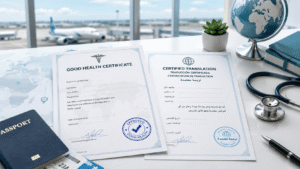
Certified translation is a translation that is accompanied by a signed statement from the translator affirming that the translation is accurate and complete. This is often required for legal documents.
2. How long does document translation take?
The turnaround time for document translation varies depending on the document’s complexity and length. It is essential to discuss timelines with your translation provider.
3. Why is data protection important in translation?
Data protection is crucial to safeguard sensitive information from unauthorized access and ensure compliance with regulations like GDPR.
4. Can I use machine translation for government documents?
While machine translation can be useful for preliminary understanding, it is not recommended for official documents due to potential inaccuracies.
5. How do I choose a translation service provider?
Look for providers with experience in government and public sector translations, certified translators, and a strong reputation for quality and compliance.