Understanding Export Certificates and Shipping Documents
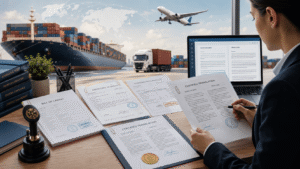
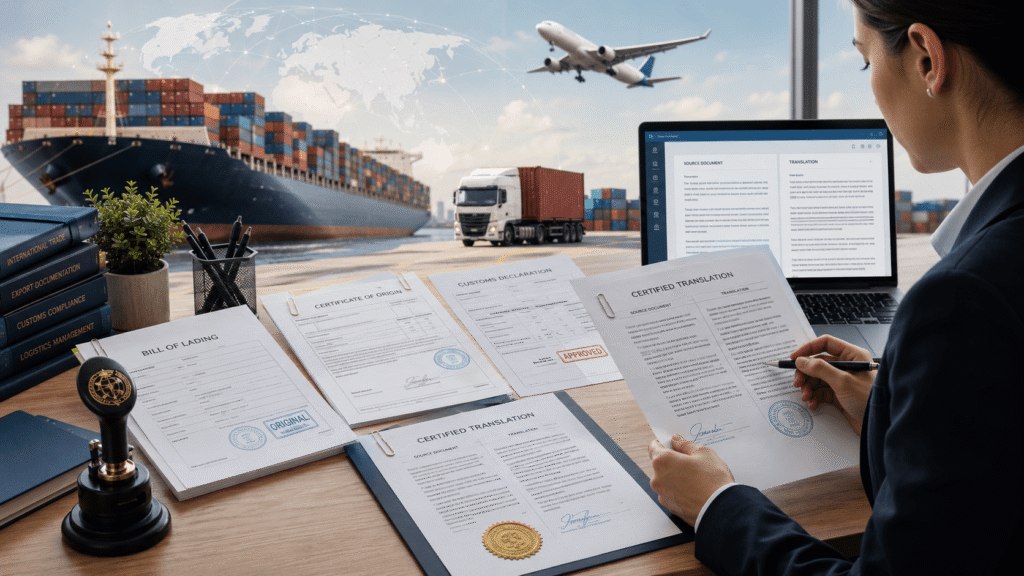
Export certificates and shipping documents are essential for international trade, ensuring compliance with regulations and facilitating smooth transactions. These documents may include bills of lading, certificates of origin, and customs declarations, each serving a specific purpose in the export process. Accurate translation of these documents is crucial, especially when dealing with authorities in different countries.
Why Translation is Important
When exporting goods, the accuracy of documentation is paramount. Misinterpretations or errors in translation can lead to delays, fines, or even the rejection of shipments. For businesses looking to expand internationally, understanding how to translate export certificates and shipping documents is vital for maintaining compliance and ensuring successful operations.
Key Reasons for Translation
- Legal Compliance: Many countries require documents to be translated into their official language to comply with local laws.
- Clear Communication: Accurate translations help prevent misunderstandings between exporters, importers, and customs officials.
- Facilitating Trade: Properly translated documents expedite the customs clearance process, reducing delays.
Types of Documents Requiring Translation
Several types of export certificates and shipping documents may require translation, including:
1. Bills of Lading
A bill of lading is a legal document between the shipper and carrier, detailing the type, quantity, and destination of the goods being carried. Accurate translation ensures that all parties understand the terms of the shipment.
2. Certificates of Origin
This document certifies the country in which the goods were manufactured. Many countries require this document to be translated to verify compliance with trade agreements.
3. Customs Declarations
Customs declarations outline the details of goods being imported or exported. Accurate translations are necessary to avoid customs issues.
Certified Translation: What You Need to Know
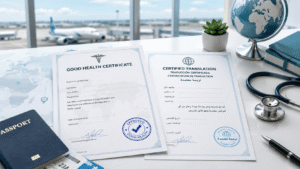
Certified translation is often required for export certificates and shipping documents, especially when dealing with government authorities or legal entities. A certified translation is a translation that comes with a signed statement from the translator or translation agency, affirming that the translation is accurate and complete.
When is Certified Translation Required?
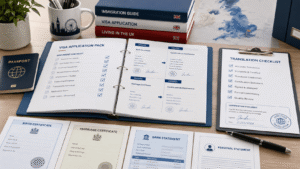
- When submitting documents to UKVI for visa applications.
- For legal documents that require validation by authorities.
- When dealing with international trade regulations.
The Role of Apostille and Notary Services
In some cases, translated documents may require an apostille or notarization to be considered valid in foreign jurisdictions.
What is an Apostille?
An apostille is a certificate that authenticates the origin of a public document. It is often required for documents being used in countries that are part of the Hague Convention.
Notary Services
Notarization involves a notary public verifying the identity of the signer and the authenticity of the document. This may be necessary for certain legal documents, including those related to international trade.
Translation Process: Step-by-Step
Understanding the translation process can help streamline your experience. Here’s a step-by-step guide:
Step 1: Gather Your Documents
Collect all the export certificates and shipping documents that require translation. Ensure they are complete and legible.
Step 2: Choose a Reputable Translation Service
Select a translation service that specializes in certified translations and has experience with export documents. Look for reviews and testimonials to gauge their reliability.
Step 3: Submit Your Documents
Provide the translation service with your documents, specifying any particular requirements, such as certified translation or notarization.
Step 4: Review the Translation
Once you receive the translated documents, review them for accuracy. If necessary, request revisions.
Step 5: Obtain Certification and Notarization
If required, ensure that the translation is certified and notarized before submission to authorities.
Cost and Turnaround Time
The cost of translating export certificates and shipping documents can vary based on several factors, including:
1. Document Length
Longer documents typically cost more to translate.
2. Language Pair
Some languages may have higher translation costs due to demand and availability of qualified translators.
3. Urgency
If you need a quick turnaround, expect to pay a premium for expedited services.
Frequently Asked Questions (FAQs)
1. What is the difference between certified and notarized translation?
Certified translation includes a signed statement from the translator, while notarized translation involves a notary public verifying the identity of the signer.
2. How long does it take to translate export documents?
Turnaround time varies but typically ranges from 1 to 5 business days, depending on the document’s complexity and length.
3. Do I need an apostille for my translated documents?
It depends on the destination country’s requirements. Check with the relevant authorities to determine if an apostille is necessary.
4. Can I translate documents myself?
While you can translate documents, certified translations are often required for legal and official purposes, which necessitates professional services.
5. What are the costs associated with translating export certificates?
Costs vary based on document length, language pair, and urgency. It’s best to request a quote from your translation service.
Conclusion
Translating export certificates and shipping documents is a critical step in ensuring compliance with international trade regulations. By understanding the importance of certified translation, the role of apostille and notary services, and the translation process, businesses can navigate the complexities of global trade more effectively. For professional translation services, contact us today to get started on your project.