Understanding Notarised Translation
Notarised translation is a specialized service that combines translation with notarization, ensuring that the translated document is legally recognized. This process is essential for various legal, immigration, and official purposes, particularly in the UK. But when exactly do you need a notarised translation?
What is Notarised Translation?
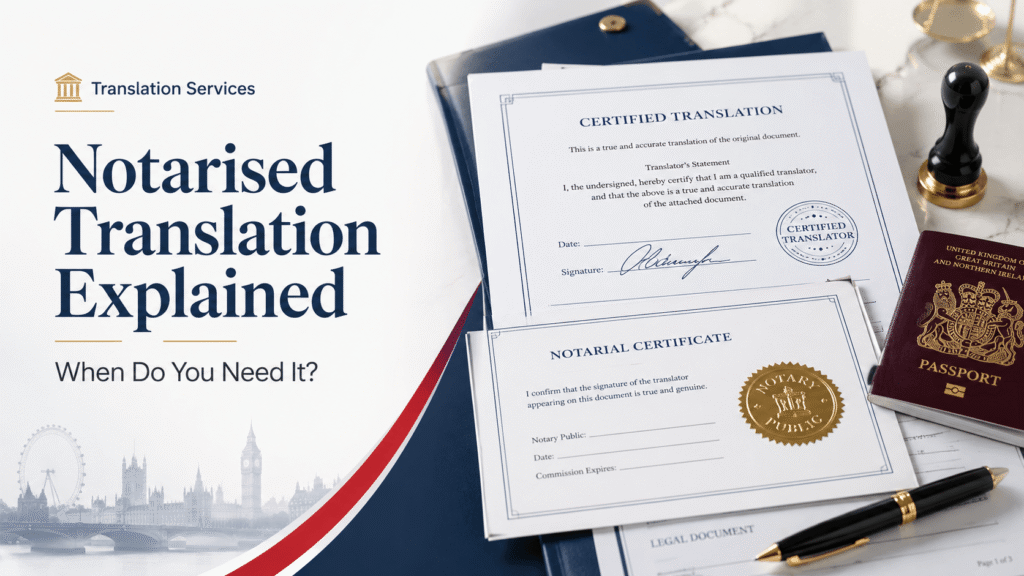
Notarised translation involves the translation of a document by a qualified translator, followed by the notarization of that translation by a notary public. The notary public verifies the identity of the translator and certifies that the translation is accurate and complete. This adds a layer of authenticity to the document, making it acceptable for official use.
Key Features of Notarised Translation
- Legal Validity: Notarised translations are often required for legal documents, ensuring they are recognized by authorities.
- Identity Verification: The notary public verifies the translator’s credentials, adding credibility to the translation.
- Comprehensive Documentation: Notarised translations typically include a notarial certificate, which outlines the details of the translation and the notary’s verification.
When Do You Need Notarised Translation in the UK?
There are several scenarios where notarised translation is necessary:
1. Immigration Purposes
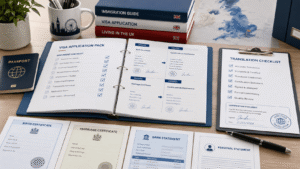
When applying for visas or residency in the UK, you may need to submit documents that are not in English. UK Visas and Immigration (UKVI) often requires notarised translations of documents such as:
- Birth certificates
- Marriage certificates
- Criminal records
2. Legal Proceedings
In legal matters, such as court cases or property transactions, notarised translations ensure that all parties understand the documents involved. This is crucial for:
- Contracts
- Wills
- Power of attorney documents
3. Academic Applications
Students applying to UK universities may need notarised translations of their academic records, diplomas, and transcripts. This is particularly important for international students whose documents are in a foreign language.
4. Business Transactions
Companies engaging in international business may require notarised translations for contracts, agreements, and corporate documents to ensure compliance with local laws.
Notarised Translation vs. Certified Translation
While both notarised and certified translations serve to validate translated documents, they differ in their processes and applications:
Certified Translation
A certified translation is a translation that comes with a signed statement from the translator affirming that the translation is accurate. It does not require notarization and is often sufficient for most official purposes.
Notarised Translation
In contrast, notarised translation involves the additional step of notarization, which provides a higher level of legal assurance. This is particularly important for documents that require strict compliance with legal standards.
How to Obtain a Notarised Translation
Obtaining a notarised translation involves several steps:
- Select a Qualified Translator: Choose a translator who is experienced in the specific type of document you need translated.
- Translation Process: The translator will translate the document accurately and completely.
- Notarization: The translator will take the translated document to a notary public, who will verify their identity and the accuracy of the translation.
- Receive Notarised Document: You will receive the notarised translation, which can then be used for your intended purpose.
Costs and Turnaround Times for Notarised Translation
The cost and turnaround time for notarised translation can vary based on several factors:
1. Document Complexity
More complex documents may require additional time and expertise, resulting in higher costs.
2. Language Pair
Some languages may have fewer qualified translators available, affecting both cost and turnaround time.
3. Urgency
If you need a notarised translation quickly, express services may be available at an additional cost.
Finding Notarised Translation Services in London
In London, numerous translation services offer notarised translation. When selecting a service, consider the following:
- Experience: Look for a service with a proven track record in notarised translations.
- Accreditations: Ensure the translators are accredited and recognized by relevant authorities.
- Customer Reviews: Check reviews and testimonials from previous clients to gauge the quality of service.
Frequently Asked Questions (FAQs)
1. What is the difference between notarised and certified translation?
Notarised translation includes notarization, providing legal verification, while certified translation is a statement of accuracy from the translator without notarization.
2. How long does it take to get a notarised translation?
Turnaround times can vary, but typically it takes 3-5 business days, depending on the document’s complexity and the service provider.
3. Is notarised translation required for all documents?
No, notarised translation is typically required for legal, immigration, and certain academic documents. Check specific requirements for your situation.
4. Can I get a notarised translation online?
Some services offer online notarisation, but ensure they comply with UK regulations for notarised documents.
5. What are the costs associated with notarised translation?
Costs vary based on document complexity, language pair, and urgency. It’s best to request a quote from the service provider.
Conclusion
Understanding when and why you need a notarised translation is crucial for navigating legal and official processes in the UK. Whether for immigration, legal proceedings, or academic applications, ensuring your documents are accurately translated and properly notarized can save you time and complications. For reliable notarised translation services, contact us today to get a quote and start your project.