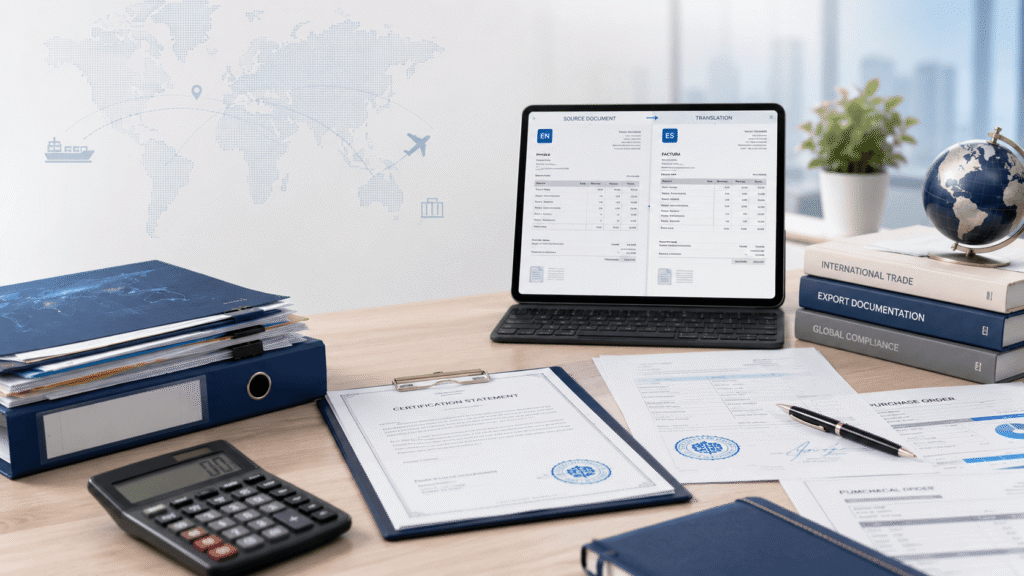
Understanding the Importance of Translating Invoices and Commercial Documents
In an increasingly globalized economy, the need for accurate translation of invoices and commercial documents has become paramount. Businesses often engage in international trade, requiring precise translations to ensure compliance with local laws and regulations. Misinterpretations can lead to financial losses, legal issues, and damaged reputations.
Invoices, contracts, and other commercial documents must be translated not only for clarity but also for legal validity. This is where certified translation comes into play, ensuring that the translated documents are recognized by authorities and institutions.
What is Certified Translation?
Certified translation refers to the process of translating documents by a qualified translator who provides a signed statement attesting to the accuracy and completeness of the translation. This certification is often required for legal, immigration, and official purposes.
Why is Certified Translation Necessary?
- Legal Compliance: Many institutions, including government agencies and courts, require certified translations for documents submitted for legal proceedings.
- Accuracy Assurance: Certified translations ensure that the translated content accurately reflects the original document, minimizing the risk of errors.
- Professional Recognition: Certified translations are recognized by various authorities, making them essential for business transactions and legal matters.
Steps to Translate Invoices and Commercial Documents
1. Identify the Document Type
Before initiating the translation process, identify the type of document you need to translate. Common types include:
- Invoices
- Contracts
- Purchase Orders
- Financial Statements
2. Choose a Qualified Translator
Select a translator who specializes in commercial document translation. Look for qualifications such as:
- Certification in translation
- Experience in the relevant industry
- Fluency in both source and target languages
3. Provide Context and Instructions
When submitting your document for translation, provide context and any specific instructions. This helps the translator understand the nuances and terminology relevant to your industry.
4. Review the Translation
Once the translation is complete, review it for accuracy. If possible, have a second translator or a bilingual colleague review the document to ensure it meets your standards.
5. Obtain Certification
If the translation is for legal or official use, ensure that the translator provides a certification statement. This document should include:
- The translator’s name and qualifications
- A statement attesting to the accuracy of the translation
- The date of completion
Legalization of Translated Documents
In some cases, translated documents may require legalization to be accepted by foreign authorities. This process can involve obtaining an apostille or having the document notarized.
What is an Apostille?
An apostille is a form of authentication issued to documents for use in countries that participate in the Hague Convention. It verifies the authenticity of the signature and seal on the document.
When is Notarization Required?
Notarization may be required for documents that need to be legally binding. A notary public verifies the identity of the signer and witnesses the signing of the document.
Costs and Turnaround Times for Translation Services
The cost and turnaround time for translating invoices and commercial documents can vary based on several factors:
- Document Length: Longer documents typically cost more and take longer to translate.
- Complexity: Technical documents may require specialized knowledge, affecting both price and time.
- Urgency: Rush services are often available for an additional fee.
Average Prices
In London, the average cost for certified translation services ranges from £0.10 to £0.20 per word, depending on the complexity and urgency of the project.
Turnaround Times
Standard turnaround times for translation services can range from 2 to 5 business days. However, urgent requests may be accommodated within 24 hours for an additional fee.
Frequently Asked Questions
1. What documents require certified translation?
Documents such as legal contracts, financial statements, and immigration papers typically require certified translation.
2. How do I find a qualified translator?
Look for translators with certifications, industry experience, and positive reviews from previous clients.
3. What is the difference between notarization and apostille?
Notarization verifies the identity of the signer, while an apostille authenticates the document for international use.
4. How long does it take to translate a document?
Turnaround times vary, but standard translations typically take 2 to 5 business days.
5. What are the costs associated with certified translation?
Costs can range from £0.10 to £0.20 per word, depending on the document’s complexity and urgency.
Conclusion
Translating invoices and commercial documents is a critical process that requires careful attention to detail and adherence to legal standards. By understanding the importance of certified translation, the steps involved, and the associated costs, businesses can ensure their documents are accurately translated and legally recognized.
For more information on certified translation services, click here.