Understanding Good Health Certificates
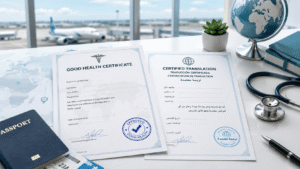
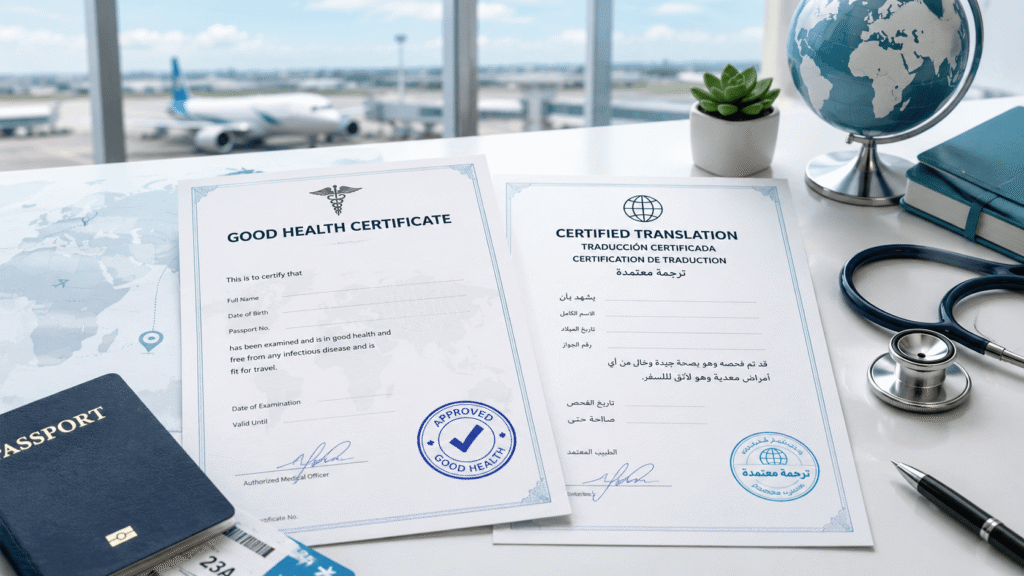
Good health certificates are essential documents required for various travel purposes, especially when traveling internationally. These certificates serve as proof that an individual is free from contagious diseases and is fit to travel. They are often required by airlines, immigration authorities, and health departments in different countries. Understanding the importance of these certificates is crucial for a smooth travel experience.
Why You Need a Translation
When traveling abroad, especially to countries where English is not the primary language, having your good health certificate translated into the local language is vital. This ensures that local authorities can easily understand your health status. Additionally, many countries require that such documents be translated by certified professionals to be accepted.
Steps to Translate Good Health Certificates
1. Determine the Requirements
Before proceeding with the translation, check the specific requirements of the country you are traveling to. Some countries may have particular stipulations regarding the format and certification of health certificates. For instance, the UKVI (UK Visas and Immigration) has specific guidelines for documents submitted for visa applications.
2. Choose a Certified Translation Service
It is essential to select a reputable translation service that specializes in certified translations. Certified translation ensures that the translated document is accurate and meets the legal requirements of the destination country. Look for services that have experience with health certificates and understand the nuances involved.
3. Provide Necessary Documentation
When submitting your good health certificate for translation, ensure you provide all necessary documentation. This may include:
- The original health certificate
- Any specific forms or templates required by the destination country
- Identification documents, if necessary
4. Review the Translation
Once the translation is complete, review it thoroughly. Ensure that all information is accurately translated and that the document maintains its original meaning. If possible, have a second pair of eyes review the translation for accuracy.
5. Certification and Notarization
After reviewing the translation, it may need to be certified or notarized, depending on the requirements of the destination country. Certification typically involves the translator or translation service providing a signed statement attesting to the accuracy of the translation. Notarization may involve a notary public verifying the identity of the translator and the authenticity of the document.
Costs and Turnaround Times
The cost of translating a good health certificate can vary based on several factors, including:
- The length of the document
- The language pair involved
- The urgency of the request
Typically, certified translation services in London may charge between £30 to £100 per document, depending on the complexity and required turnaround time. Standard turnaround times can range from 1 to 5 business days, but expedited services may be available for an additional fee.
Legalization: Apostille and Notary Services
In some cases, you may need to have your translated good health certificate legalized. This process often involves obtaining an apostille or having the document notarized. An apostille is a form of authentication issued to documents for use in countries that participate in the Hague Convention. If your destination country requires an apostille, ensure that your translation service can facilitate this process.
Common Mistakes to Avoid
When translating good health certificates, there are several common mistakes to avoid:
- Using unqualified translators: Always choose certified professionals to ensure accuracy.
- Neglecting to check requirements: Each country has different requirements; failing to comply can lead to delays.
- Overlooking certification: Ensure that the translation is certified if required by the destination country.
FAQs
1. What is a good health certificate?
A good health certificate is a document that verifies an individual’s health status, often required for international travel.
2. Why do I need a certified translation of my health certificate?
A certified translation ensures that the document is legally recognized and accurately reflects the original content, which is crucial for acceptance by authorities.
3. How long does it take to translate a good health certificate?
Turnaround times can vary, but standard translations typically take 1 to 5 business days, depending on the service and urgency.
4. What are the costs associated with translating health certificates?
Costs can range from £30 to £100, depending on the length of the document and the required turnaround time.
5. Do I need an apostille for my translated health certificate?
It depends on the requirements of the country you are traveling to. Some countries require an apostille for legal documents.
Conclusion
Translating good health certificates for travel is a crucial step in ensuring a smooth journey. By understanding the requirements, choosing a certified translation service, and avoiding common pitfalls, you can ensure that your health documentation is in order. For more information on certified translation services, click here.