Understanding the Importance of Translation for Adoption Documents
When it comes to adoption, the legal and procedural requirements can be complex, especially when dealing with international adoptions. One critical aspect of this process is the translation of adoption documents. Accurate translations are essential for ensuring that all parties involved understand the legal implications and requirements of the adoption process. This article will explore what agencies require regarding the translation of adoption documents, including the necessity for certified translations, the role of UKVI, and other important considerations.
What Are Adoption Documents?
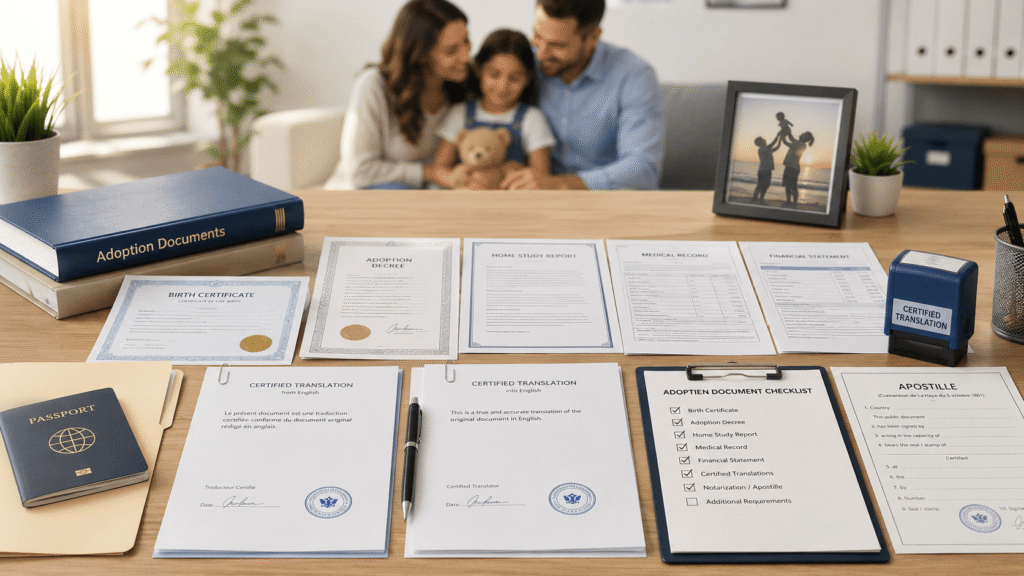
Adoption documents encompass a variety of legal papers that are necessary for the adoption process. These may include:
- Birth Certificates: Original birth certificates of the child being adopted.
- Adoption Decrees: Legal documents that finalize the adoption.
- Home Studies: Reports that assess the suitability of the adoptive parents.
- Medical Records: Health documents that provide information about the child’s medical history.
- Financial Statements: Proof of the adoptive parents’ financial stability.
Why Certified Translation is Essential
Many agencies require that adoption documents be translated by a certified translator. A certified translation is a translation that comes with a signed statement from the translator attesting to the accuracy and completeness of the translation. This certification is crucial for several reasons:
- Legal Validity: Certified translations are often required by courts and government agencies to ensure that the documents are legally valid.
- Accuracy: Certified translators are trained professionals who understand the nuances of legal language, ensuring that the translation is accurate and contextually appropriate.
- Trustworthiness: Agencies and courts are more likely to trust documents that have been translated by certified professionals.
UKVI Requirements for Adoption Document Translation
The UK Visas and Immigration (UKVI) has specific requirements for the translation of documents submitted for visa applications, including those related to adoption. Here are some key points to consider:
- Language Requirements: All documents must be translated into English if they are in another language.
- Certified Translations: UKVI requires that translations be certified, meaning they must be done by a professional translator or a translation company.
- Document Format: Translations should be clear, legible, and formatted similarly to the original documents.
The Role of Apostille and Notary Services
In some cases, adoption documents may also require an apostille or notarization. An apostille is a form of authentication issued to documents for use in countries that participate in the Hague Apostille Convention. Here’s how these services play a role:
- Apostille: If the adoption documents are to be used internationally, an apostille may be necessary to verify the authenticity of the documents.
- Notary Services: Some agencies may require that documents be notarized before they are translated. This adds an additional layer of verification.
Cost and Turnaround Time for Translation Services
The cost and turnaround time for translating adoption documents can vary based on several factors:
- Document Length: Longer documents will generally cost more and take longer to translate.
- Language Pair: Some language pairs may be more expensive due to the availability of qualified translators.
- Urgency: If you need the translation done quickly, you may incur additional fees for expedited services.
Typical Prices
While prices can vary, here are some general estimates for certified translation services in London:
- Standard translation: £50-£100 per document.
- Expedited translation: £100-£200 per document.
Turnaround Times
Typical turnaround times for certified translations are:
- Standard service: 3-5 business days.
- Expedited service: 1-2 business days.
Choosing the Right Translation Service
When selecting a translation service for adoption documents, consider the following:
- Experience: Look for a service that specializes in legal and certified translations.
- Reviews: Check client testimonials and reviews to gauge the quality of service.
- Accreditations: Ensure the translators are certified and recognized by relevant authorities.
FAQs
1. What documents need to be translated for adoption?
Typically, you will need to translate birth certificates, adoption decrees, home studies, medical records, and financial statements.
2. How do I find a certified translator?
You can find certified translators through professional associations or translation companies that specialize in legal translations.
3. Is notarization required for adoption document translations?
Notarization may be required depending on the agency’s requirements. It’s best to check with the specific agency handling your adoption.
4. How long does it take to get adoption documents translated?
Standard translation services usually take 3-5 business days, while expedited services can be completed in 1-2 days.
5. What is the cost of translating adoption documents?
The cost can range from £50 to £200 per document, depending on the length and urgency of the translation.
Conclusion
Translating adoption documents is a crucial step in the adoption process, especially for international adoptions. Understanding the requirements set by agencies, including the need for certified translations and the role of UKVI, can help streamline the process. By choosing a reputable translation service, you can ensure that your documents are accurately translated and legally valid.
For more information on adoption paper translation, visit our Adoption Paper Translation page.