Understanding the Importance of Medical Translation for the NHS
In the UK, the National Health Service (NHS) provides healthcare services to millions, including a diverse population with varying language needs. Accurate medical translation is crucial for ensuring that non-English speaking patients receive the same quality of care as their English-speaking counterparts. This article explores what medical translators must include when working with NHS documents, ensuring compliance with legal and medical standards.
What is Medical Translation?
Medical translation involves converting medical documents from one language to another while maintaining the original meaning and context. This includes a wide range of documents such as:
- Patient records
- Consent forms
- Medical reports
- Clinical trial documents
- Patient information leaflets
Given the sensitive nature of medical information, precision in translation is paramount. Errors can lead to misdiagnosis, inappropriate treatment, and even legal repercussions.
Key Elements Medical Translators Must Include
1. Certified Translation
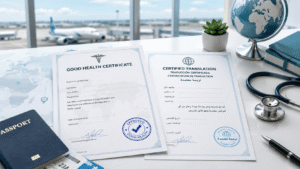
For documents submitted to the NHS, certified translations are often required. A certified translation includes a signed statement from the translator affirming that the translation is accurate and complete. This certification is crucial for legal and medical purposes, ensuring that the translation is recognized by authorities.
2. Compliance with UKVI Requirements
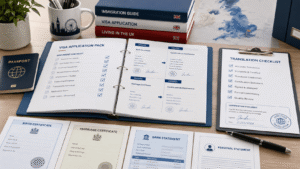
When translating documents for immigration purposes related to healthcare, compliance with UK Visas and Immigration (UKVI) requirements is essential. This includes:
- Providing translations that are accurate and complete
- Including the translator’s qualifications
- Ensuring the translation is on official letterhead if applicable
Failure to meet these requirements can result in delays or rejections of visa applications.
3. Apostille and Notary Services
In some cases, documents may need to be notarized or apostilled, especially if they are to be used internationally. An apostille is a certificate that verifies the authenticity of a document for use in another country. Translators should be familiar with the process of obtaining an apostille and the role of notaries in this context.
4. Accurate Terminology
Medical terminology can be complex and varies significantly between languages. Translators must ensure they use the correct medical terms to avoid misunderstandings. This includes:
- Understanding the context of the document
- Using glossaries and resources specific to medical translation
- Consulting with medical professionals when necessary
5. Cultural Sensitivity
Translators must be aware of cultural differences that may affect the interpretation of medical information. This includes understanding:
- Different health beliefs and practices
- How certain medical terms may be perceived in different cultures
- Legal and ethical considerations in medical practice
6. Confidentiality and GDPR Compliance
Medical translators must adhere to strict confidentiality standards, particularly under the General Data Protection Regulation (GDPR). This includes:
- Ensuring that patient data is handled securely
- Obtaining consent for translation when necessary
- Implementing data protection measures throughout the translation process
Pricing and Turnaround Times
The cost of medical translation can vary based on several factors, including:
- The complexity of the document
- The language pair
- The urgency of the translation
Typically, certified translations may cost more due to the additional verification required. Turnaround times can also vary, with standard translations taking longer than urgent requests. It is advisable to discuss these details upfront with the translation service provider.
Choosing the Right Medical Translator
When selecting a medical translator for NHS documents, consider the following criteria:
- Qualifications and certifications
- Experience in medical translation
- Familiarity with NHS standards and requirements
- Client testimonials and reviews
FAQs
What is a certified translation?
A certified translation is a translation that comes with a signed statement from the translator affirming its accuracy and completeness.
Do I need a notarized translation for NHS documents?
Notarization may be required for certain documents, especially if they are to be used for legal purposes.
How long does it take to get a medical document translated?
Turnaround times vary based on the document’s complexity and urgency, but standard translations typically take a few days.
What are the costs associated with medical translation?
Costs can vary widely based on factors such as document complexity, language pair, and urgency. It’s best to request a quote from the translation service.
How can I ensure my translator is qualified?
Check their qualifications, certifications, and experience in medical translation, and look for client testimonials.
Conclusion
Medical translation for the NHS is a critical service that ensures non-English speaking patients receive appropriate care. By understanding the essential elements that medical translators must include, healthcare providers can ensure compliance with legal and medical standards, ultimately improving patient outcomes.
For more information on certified translation services, click here.