Understanding Certified Translation
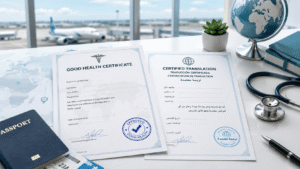
Certified translation is a crucial process for individuals and businesses needing to present documents in a different language, particularly for legal, immigration, or academic purposes. A certified translation ensures that the translated document is an accurate representation of the original, often accompanied by a signed statement from the translator or translation service confirming its authenticity.
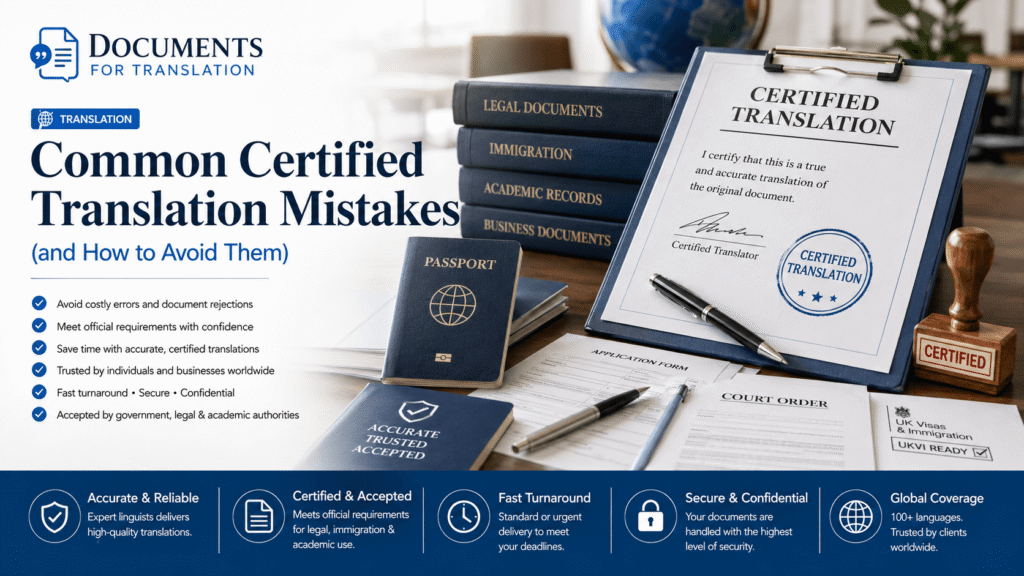
Common Certified Translation Mistakes
Despite the importance of certified translation, many individuals make mistakes that can lead to delays, rejections, or additional costs. Here are some of the most common certified translation mistakes and how to avoid them:
1. Choosing the Wrong Translator
One of the most significant mistakes is selecting a translator who lacks the necessary qualifications or experience. Certified translations require a translator who is not only fluent in both languages but also familiar with the specific terminology relevant to the document type.
- Tip: Always verify the translator’s credentials and experience in the specific field of your document.
2. Ignoring Certification Requirements
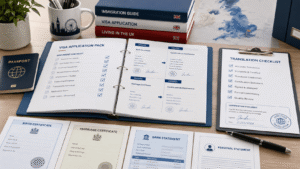
Different authorities have varying requirements for certified translations. For instance, UK Visas and Immigration (UKVI) has specific guidelines that must be followed. Failing to adhere to these can result in the rejection of your application.
- Tip: Research the specific certification requirements for your document type and ensure your translator is aware of them.
3. Not Providing Complete Documents
Submitting incomplete documents can lead to inaccuracies in translation. This is particularly important for legal documents where every detail matters.
- Tip: Always provide the complete document, including any stamps, seals, or signatures that may be necessary for the translation.
4. Overlooking Formatting Issues
Maintaining the original formatting of documents is essential, especially for legal and official documents. Poor formatting can lead to misunderstandings or misinterpretations.
- Tip: Ensure that the translator understands the importance of preserving the original layout and formatting.
5. Failing to Review Translations
Many individuals neglect to review the translated document before submission. This can lead to overlooked errors that could have been easily corrected.
- Tip: Always review the translation for accuracy and clarity before submitting it to the relevant authority.
6. Misunderstanding Apostille and Notary Requirements
Some documents may require an apostille or notarization in addition to certified translation. Failing to understand these requirements can lead to delays.
- Tip: Check if your document needs an apostille or notarization and arrange for these services accordingly.
Understanding Costs and Turnaround Times
The costs associated with certified translation can vary significantly based on several factors, including the document type, language pair, and urgency. Understanding these factors can help you budget effectively.
1. Factors Influencing Prices
Prices for certified translation services can vary based on:
- Language pair
- Document complexity
- Turnaround time
2. Typical Turnaround Times
Turnaround times can also vary. Standard translations may take a few days, while urgent requests may be completed within hours. Always communicate your deadlines clearly to your translator.
How to Choose a Reliable Translation Service
Selecting a reliable translation service is crucial for ensuring high-quality translations. Here are some tips:
- Look for services with positive reviews and testimonials.
- Check if they have experience with your specific document type.
- Ensure they provide clear information about their certification process.
Conclusion
Avoiding common certified translation mistakes is essential for ensuring that your documents are processed smoothly and efficiently. By understanding the requirements and working with qualified professionals, you can navigate the translation process with confidence.
FAQs
1. What is a certified translation?
A certified translation is a translation that is accompanied by a signed statement from the translator or translation service, confirming its accuracy and completeness.
2. How do I know if my translation needs to be certified?
Typically, legal, immigration, and academic documents require certified translations. Always check the specific requirements of the authority requesting the translation.
3. What is the difference between a notarized translation and a certified translation?
A notarized translation includes a notary public’s verification, while a certified translation is verified by the translator or translation service.
4. How long does a certified translation take?
Turnaround times can vary based on the document’s complexity and the translator’s workload. Standard translations may take a few days, while urgent requests can be completed more quickly.
5. What factors affect the cost of certified translation?
Costs can vary based on the language pair, document complexity, and turnaround time. Always request a quote before proceeding.